Stood Up for Myself Tiger Award: A Stitcher's Review
As an embroidery designer who has stitched out thousands of files for both personal joy and commercial client work, I approach every new machine embroidery design with a critical eye. When I first loaded the "Stood Up for Myself" Tiger Award Embroidery into my software, I wasn't just looking at cute artwork; I was evaluating stitch paths, density balance, and marketability. This design carries a specific emotional weight that distinguishes it from generic nursery decor. It bridges the gap between traditional baby items and modern, empowering messaging, making it a unique asset for any craft business or hobbyist looking to create meaningful goods.
First Impressions: Mood and Visual Hierarchy
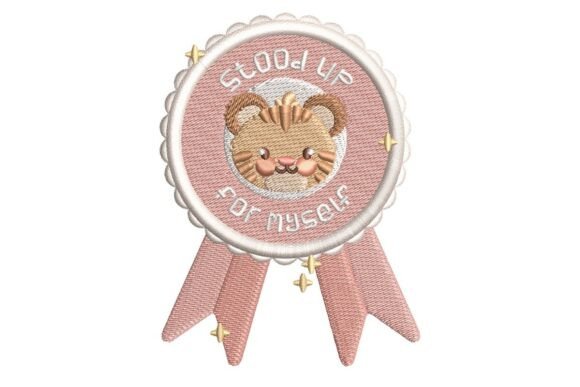
The immediate strength of this embroidery file is its narrative clarity. The tiger motif is assertive yet gentle, avoiding the aggressive sharpness often found in wildlife designs while maintaining enough character to feel substantial. For an Etsy seller or boutique owner, this visual balance is crucial. You want a product that photographs well in a printable mockup but also delivers texture and depth in person. The layout suggests a centered composition that would serve beautifully as a chest placement on custom apparel or a focal point on a tote bag. The typography integration appears designed to complement the illustration rather than compete with it, which is a common failure point in lesser designs. As a reviewer, I appreciate when text and image are digitized to flow together, reducing jump stitches and creating a cohesive finished product.
Real-World Application: The Custom Sweatshirt Test
To truly evaluate this design, I mentally placed it in a current production scenario: a custom order for a toddler’s empowerment sweatshirt. This is where technical performance meets customer expectation. Sweatshirt fleece is a forgiving fabric, but it requires careful stabilizer selection to prevent the design from sinking into the pile. If you are using this for sweatshirt embroidery, the stitch density must be sufficient to cover the fabric texture without becoming bulletproof. A design like this likely utilizes a combination of fill stitch for the tiger’s body and precise satin stitch for outlines and lettering.
In this real-life case, the "Stood Up for Myself" message transforms a standard garment into a conversation piece. Parents buying personalized gifts are increasingly seeking items that validate their child’s autonomy. When stitching this for a client, I would recommend testing on a scrap of similar weight fleece first. Check if the running stitch underlay provides enough structure to keep the satin borders crisp against the fuzzy surface. If the design includes an applique option, this is the ideal moment to use it. Applique reduces overall stitch count and adds a tactile fabric element that elevates the perceived value of the handmade product. For a small shop product line, offering this design in both full-stitch and applique variations could double your inventory potential without requiring new digitizing.
Navigating Fabric Limitations and Hoop Constraints
While the tiger theme fits the nursery category perfectly, practical application requires caution depending on your substrate. Not all fabrics are created equal. If you plan to use this digital embroidery file on lightweight cotton voile or stretchy jersey knits for baby embroidery, you must adjust your stabilization strategy. High-density areas in the tiger’s face or paws can cause puckering on thin materials. Always use a cut-away stabilizer for stretchy garments to maintain registration between the text and the graphic.
Furthermore, consider your hoop size limitations before purchasing or stitching. Award-style designs often have vertical or horizontal spans that can be tricky in smaller hoops. If you are working with a 4x4 hoop, verify the dimensions immediately. Resizing a complex design down by more than 10-15% can compromise thread colors blending and stitch integrity. Conversely, enlarging it for a large pillow cover or blanket may reveal gaps in the fill if the original digitizing wasn't optimized for scaling. For commercial embroidery projects involving caps or curved surfaces, test the design on a flat cap panel first. The curvature can distort horizontal text lines, potentially making the "Stood Up for Myself" sentiment difficult to read.
Commercial Viability and Brand Consistency
For creative entrepreneurs, this design offers strong merchandising potential beyond children's wear. The concept of standing up for oneself resonates with adult audiences navigating boundaries, therapy journeys, or advocacy work. I can easily envision this tote bag design being marketed toward mental health awareness events or teacher appreciation gifts. However, brand consistency is key. If your shop aesthetic is minimalist boho, ensure the thread colors selected match your palette. Muted earth tones or monochromatic schemes often sell better to adult demographics than primary brights typically associated with tigers.
When listing this as part of your design assets or finished goods, transparency builds trust. Clearly state whether you are selling the physical item or the digital file. If you are an Etsy seller, high-quality photos of the actual stitched-out design are non-negotiable. Customers need to see how the satin stitch catches the light and how the design sits on the fabric. Avoid relying solely on digital renderings. A photo of the back of the embroidery also signals professionalism, showing that you manage jump stitches and bobbin tension correctly. This level of detail confirms to buyers that your small shop product is crafted with expertise.
Essential Designer Notes for Success
Before you commit this design to a final project or list it for sale, run through this practical checklist to ensure professional results:
- Verify Licensing: Confirm specifically whether the "Stood Up for Myself" Tiger Award Embroidery allows for commercial use of finished products versus digital resale. Never assume permissions.
- Test Stitch Out: Always stitch on scrap fabric identical to your final project. Check for registration issues between the tiger elements and the text.
- Contrast Check: View the design in black and white within your software to ensure tonal contrast exists independent of color. This ensures readability on dark fabrics.
- Stabilizer Match: Pair tear-away stabilizers only with stable woven fabrics. Use cut-away for knits, fleece, and any custom apparel that will be washed frequently.
- Detail Inspection: Zoom in to 100% in your editing software. Look for tiny satin columns that might fray or disappear after washing. If found, edit them to running stitches or remove them.
- Mockup Validation: Create realistic mockups that reflect true scale. A design that looks massive on screen might be tiny on a shirt. Accurate representation prevents returns.
Final Thoughts on Value and Craftsmanship
The "Stood Up for Myself" Tiger Award Embroidery represents more than just a cute animal graphic; it is a vehicle for storytelling through thread. Whether you are creating a holiday embroidery gift, a boutique exclusive, or a personal milestone marker, the success of the project lies in respecting the technical requirements of the medium. By understanding how stitch density, fabric choice, and stabilization interact, you transform a digital file into a tangible heirloom. As makers, our job is to honor the sentiment of the design through flawless execution. When done correctly, this tiger doesn't just stand up on the fabric; it stands up to the test of time, wear, and wash, delivering lasting value to whoever receives it.