Fork Machine Embroidery Design: A Practical Kitchen Accent
First Impressions: Simple, Clean, and Kitchen-Ready
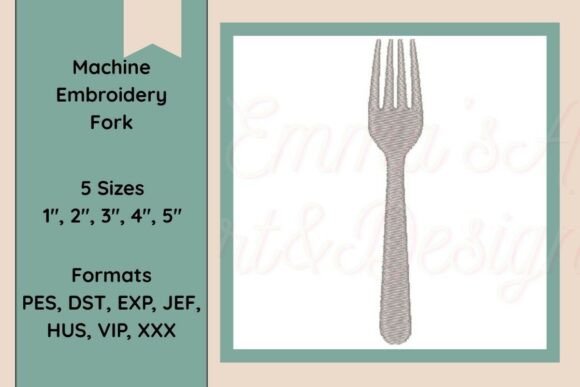
When I first opened the Fork Machine Embroidery Design file, I was struck by how straightforward yet effective it is. It doesn’t try to be flashy, which is actually a big plus in the kitchen-themed design world. The fork motif is clean, with smooth satin stitch outlines and minimal fill areas, giving it a crisp, modern look. It feels like the kind of design you’d see on a boutique apron or a linen tea towel — functional but stylish.
What stands out is the design’s ability to communicate its theme without being overly literal. It's not cartoonish or overly detailed. Instead, it leans into a minimalist aesthetic that works well for both modern and rustic kitchen décor. That makes it versatile for different embroidery projects, from embroidered patches to tote bags and even baby bibs with a subtle kitchen motif.
Real-Life Use: From Aprons to Holiday Gifts
I tested the Fork Machine Embroidery Design on a few different materials to see how it would perform in actual use. Starting with a standard cotton tote bag, the design stitched out cleanly with minimal thread breaks and no distortion. The satin stitches held their shape, and the fill areas were consistent without being too dense, which is great for breathability in fabric.
Next, I tried it on a lightweight denim apron. The design held up well, especially when I used a lightweight stabilizer underneath. It didn’t pucker or distort the fabric, which can be a concern with simpler designs that don’t have enough structure. I could easily see this as a small accent on a boutique-style apron or even as part of a set with other kitchen-themed designs like spoons or spatulas.
For a holiday gift idea, I stitched the Fork Machine Embroidery Design onto a flannel baby burp cloth. The result was subtle and charming — not too bold for a baby item, but still recognizable. It added a personal touch without overwhelming the fabric. That’s a win for Etsy sellers or crafters making small-batch baby items.
Where to Be Careful: Fabric and Fit Matter
While the Fork Machine Embroidery Design is versatile, there are definitely situations where it needs a little extra attention. On stretchy fabric like knit t-shirts, the satin stitches can pull slightly, especially around the tines of the fork. I found that using a light tear-away stabilizer helped keep the outline sharp and prevented distortion.
Dark fabrics also require a bit of thought. The Fork Machine Embroidery Design doesn’t have a lot of contrast built in, so if you’re using it on black or navy material, you may want to consider a lighter thread color to make it pop. I tested it in white on a black canvas tote and was happy with the visibility — it looked intentional and modern.
Small hoop sizes are another consideration. If your hoop is on the smaller side, make sure the design fits comfortably without crowding the edges. The fork shape is fairly linear, so it works well in narrow spaces like the front of a cap or a curved surface like a baby hat. Just be mindful of the corners — the tines of the fork are delicate, so they may get lost on very textured or thick fabrics like heavy fleece.
Visual Impact: What It Adds to Your Finished Product
From a design standpoint, the Fork Machine Embroidery Design adds a touch of everyday elegance. It’s not trying to be high art, but it elevates the overall look of a handmade product. Whether you’re selling embroidered tea towels or creating personalized aprons for a wedding gift, this design brings a sense of purpose and theme without being too literal.
In terms of customer appeal, I think this design would resonate with buyers looking for subtle, functional embroidery. It’s not overly trendy, so it has longevity. That’s important for Etsy sellers or small shop owners who want to offer designs that can be reused across multiple seasons and product types.
From a branding perspective, this design works well as part of a larger kitchen-themed collection. Paired with other simple utensil designs, it helps establish a cohesive look for your embroidery line. That consistency builds trust with customers who return to your shop for coordinated sets.
Designer Notes: What to Check Before You Stitch
Before using the Fork Machine Embroidery Design in a client project or product line, I always recommend a few key checks:
- Test on scrap fabric: Always run a test stitch-out before committing to your final material, especially if you’re using a new fabric type or thread color.
- Review stitch density: The Fork Machine Embroidery Design has a good balance, but if you're using it on stretchy or delicate fabric, double-check that the density won’t cause puckering.
- Confirm hoop size: Make sure the design fits within your hoop with enough clearance to avoid edge distortion.
- Check small details: The fork tines are delicate — ensure they stitch cleanly and don’t break or distort on your machine.
- Use proper stabilizer: A lightweight stabilizer works best for most applications, but adjust based on your fabric type.
- Verify licensing: If you’re reselling items made with this design, make sure the license allows for commercial use and that you understand any restrictions.
I also like to test the Fork Machine Embroidery Design in black and white mockups to see how it looks on both light and dark backgrounds. This helps visualize how it will appear across different product variations without having to stitch each one out.
Final Thoughts: A Kitchen Staple in Embroidery Form
The Fork Machine Embroidery Design is a quiet but effective addition to any kitchen-themed embroidery project. It’s simple enough to stitch cleanly on a variety of fabrics, yet distinctive enough to add personality to your handmade items. Whether you're making personalized gifts, boutique-style apparel, or digital mockups for your Etsy shop, this design delivers reliable results with thoughtful execution.
As a designer and product reviewer, I appreciate when a design does exactly what it promises without overcomplicating things. The Fork Machine Embroidery Design fits that bill — it’s a solid choice for small business owners, crafters, and digital product sellers who want a clean, classic touch in their embroidery lineup.